

Foundation of Wisdom
Sanatan Dharma & Adi Shankaracharya
Sanatana Dharma — the “Eternal Dharma” — is not a religion founded by any single person. It is the timeless universal order rooted in the Vedas, revealed by ancient Rishis to guide every soul towards truth, righteousness and ultimate liberation (moksha). By the 5th century CE, Vedic traditions had become fragmented — distorted practices and philosophical confusion threatened the sacred flame of Vedic wisdom.
Into this moment stepped Jagadguru Adi Shankaracharya, born in Kaladi, Kerala, whose short life of 32 years transformed the spiritual landscape of all Bharat.
“Brahma satyam, jagat mithya, jivo brahmaiva naparah” — Brahman is real, the world is illusory, and the individual soul is none other than Brahman.
— Adi Shankaracharya
Prasthanatrayi Commentaries
Authoritative commentaries on the Upanishads, Bhagavad Gita and Brahma Sutras, establishing Advaita Vedanta.
Digvijaya Yatra
Walked across all of Bharat on foot, debating scholars and reviving Vedic worship.
Four Amnaya Peethas
Established four monastic centers in the four directions to protect Sanatan Dharma forever.
Dashanami Sannyasa Order
Organized the monastic order into ten dashanami names.
Core Principles
Pillars of Sanatana Dharma
Dharma
Eternal cosmic law and individual duty guiding every soul toward righteousness.
Karma
The universal principle of cause and effect — every action shapes the soul's journey.
Moksha
Liberation from the cycle of birth and death — the highest aspiration of human life.
Advaita
Non-duality — the individual soul (Atman) is identical to universal consciousness (Brahman).
Vedas
The four eternal revealed scriptures — the supreme authority of Sanatan Dharma.
Ahimsa
Non-violence and compassion toward all living beings, the highest expression of Dharma.
Dharma
Eternal cosmic law and individual duty guiding every…
Karma
The universal principle of cause and effect —…
Moksha
Liberation from the cycle of birth and death…
Advaita
Non-duality — the individual soul (Atman) is identical…
Vedas
The four eternal revealed scriptures — the supreme…
Ahimsa
Non-violence and compassion toward all living beings, the…
 Joshimath, Uttarakhand
History & Sacred Story
Jyotirmath — The Northern Light
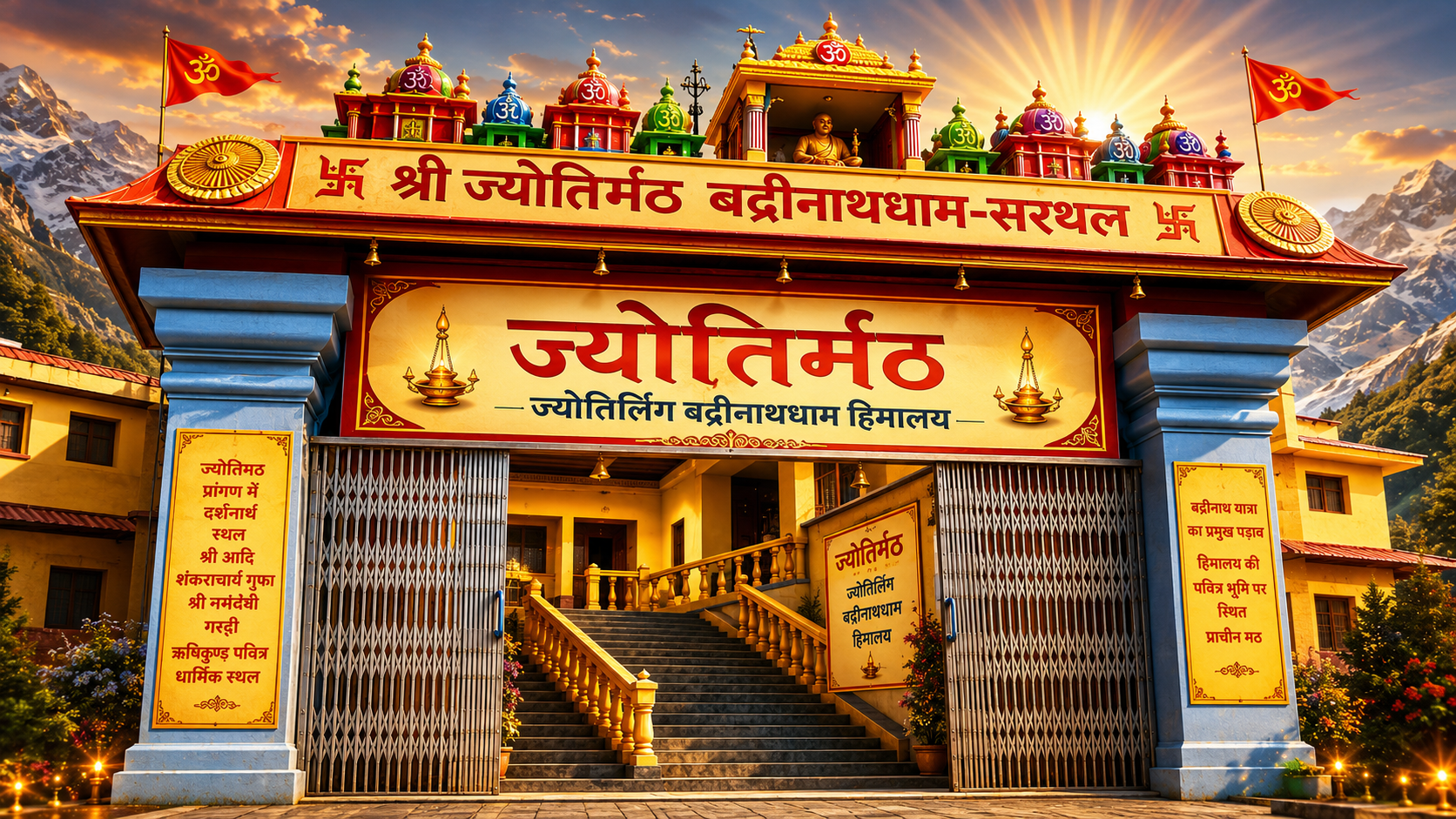
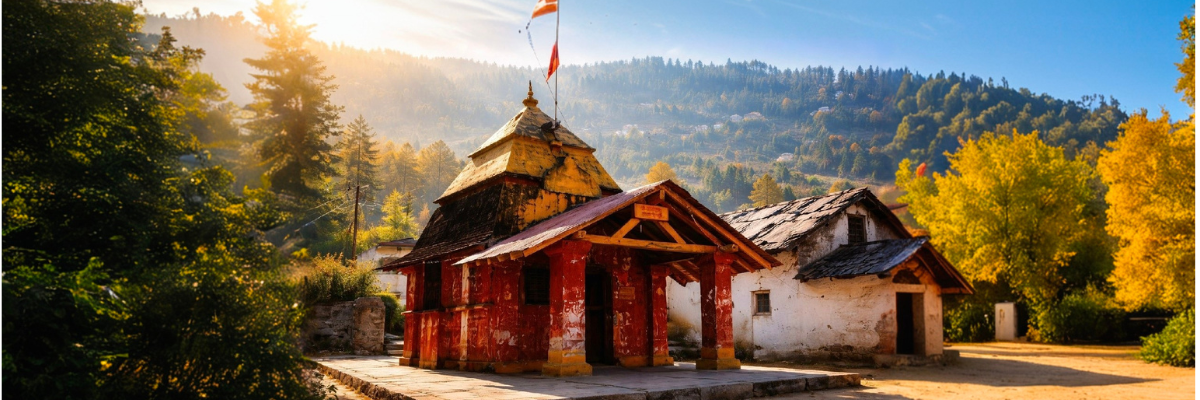
Jyotirmath (also called Jyotishpeeth or Uttaramnaya Jyotir Math) sits in the Garhwal Himalayas near the confluence of the Alaknanda and Dhauliganga rivers, traditionally regarded as the first of the four Amnaya Peethas established by Adi Shankaracharya.
The name “Jyotir” means divine light— the Peetha’s mission to illuminate the spiritual north. The seat was assigned to Totakacharya, one of Adi Shankara’s four principal disciples.
After the 18th century the seat lay vacant for approximately 165 years, revived in 1941 by Swami Brahmananda Saraswati, a jivanmukta who spent decades in solitary tapasya before accepting the seat.
Preserving Vedic Wisdom
Daily study and teaching of Upanishads, Gita, Brahma Sutras and the Atharva Veda within the Peeth.
Guiding Devotees
Answering dharmic questions, blessing yatras and giving Diksha to devoted seekers across the north.
Protecting Sacred Tirthas
Safeguarding Badarikashram, Kedarnath and all northern Himalayan kshetras from misuse and desecration.
Defending Sanatan Dharma
Issuing dharmic directives on social, religious and cultural matters to guide Sanatan society.
 Joshimath, Uttarakhand
Amnaya Peethas
The Four Sacred Seats
To guard Sanatan Dharma in all four directions, Adi Shankaracharya established four monastic centers — each guarding a Veda and a great Upanishadic truth.
Northern Peeth
Jyotir Math — Jyotishpeeth
Joshimath, Uttarakhand
Veda: Atharva Veda
Mahavakya: Ayam Atma Brahma
Deity: Narayana & Purnagiri Devi
Disciple: Totakacharya
Eastern Peeth
Govardhana Math
Puri, Odisha
Veda: Rig Veda
Mahavakya: Prajnanam Brahma
Deity: Jagannath
Disciple: Padmapadacharya
Southern Peeth
Sringeri Sharada Peetham
Sringeri, Karnataka
Veda: Yajur Veda
Mahavakya: Aham Brahmasmi
Deity: Sharada Devi
Disciple: Sureshwaracharya
Western Peeth
Dwarka Sharada Peeth
Dwarka, Gujarat
Veda: Sama Veda
Mahavakya: Tat Tvam Asi
Deity: Siddheshwar Mahadev
Disciple: Hastamalakacharya
Northern Peeth
Jyotir Math — Jyotishpeeth
Joshimath, Uttarakhand
Veda: Atharva Veda
Mahavakya: Ayam Atma Brahma
Deity: Narayana & Purnagiri Devi
Disciple: Totakacharya
Eastern Peeth
Govardhana Math
Puri, Odisha
Veda: Rig Veda
Mahavakya: Prajnanam Brahma
Deity: Jagannath
Disciple: Padmapadacharya
Southern Peeth
Sringeri Sharada Peetham
Sringeri, Karnataka
Veda: Yajur Veda
Mahavakya: Aham Brahmasmi
Deity: Sharada Devi
Disciple: Sureshwaracharya
Western Peeth
Dwarka Sharada Peeth
Dwarka, Gujarat
Veda: Sama Veda
Mahavakya: Tat Tvam Asi
Deity: Siddheshwar Mahadev
Disciple: Hastamalakacharya
Why four Peethas? To prevent Vedic traditions from getting distorted, Adi Shankaracharya consecrated the four Peethas as living centers of sacred knowledge — each assigned a Veda, a Mahavakya, a region of responsibility, and a trusted disciple as its first head, ensuring Advaita Vedanta would survive for eternity.
Unbroken Lineage
Shankaracharya Parampara
A living chain carrying the torch of Advaita Vedanta from Adi Shankaracharya through 2800+ years to the present — one flame, passed hand to hand.
5th Century CE
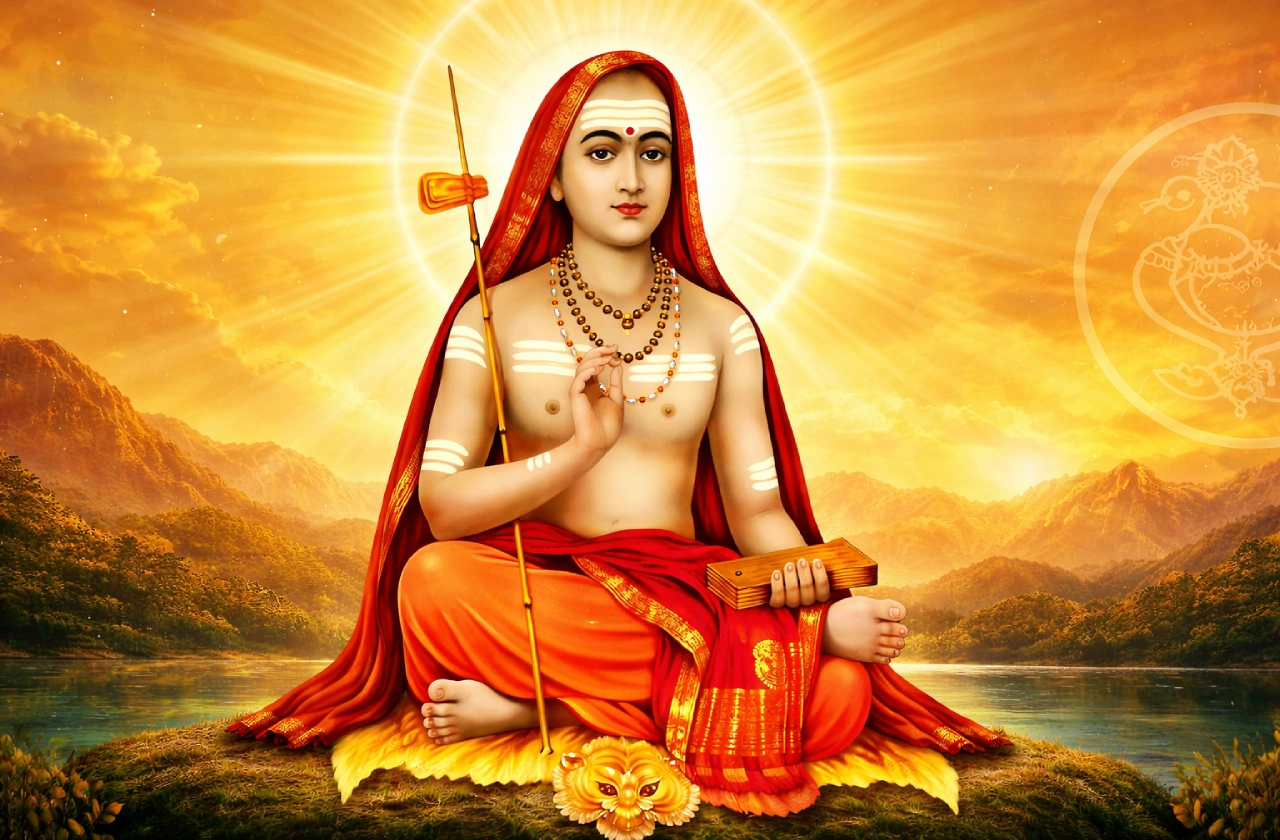
Adi Shankaracharya
Founder of Jyotirmath & Amnaya Peethas
Born in Kaladi, Kerala, Adi Shankaracharya systematized Advaita Vedanta, toured all of Bharat and established the four Amnaya Peethas. He assigned Jyotirmath to his disciple Totakacharya in the north.
5th Century CE
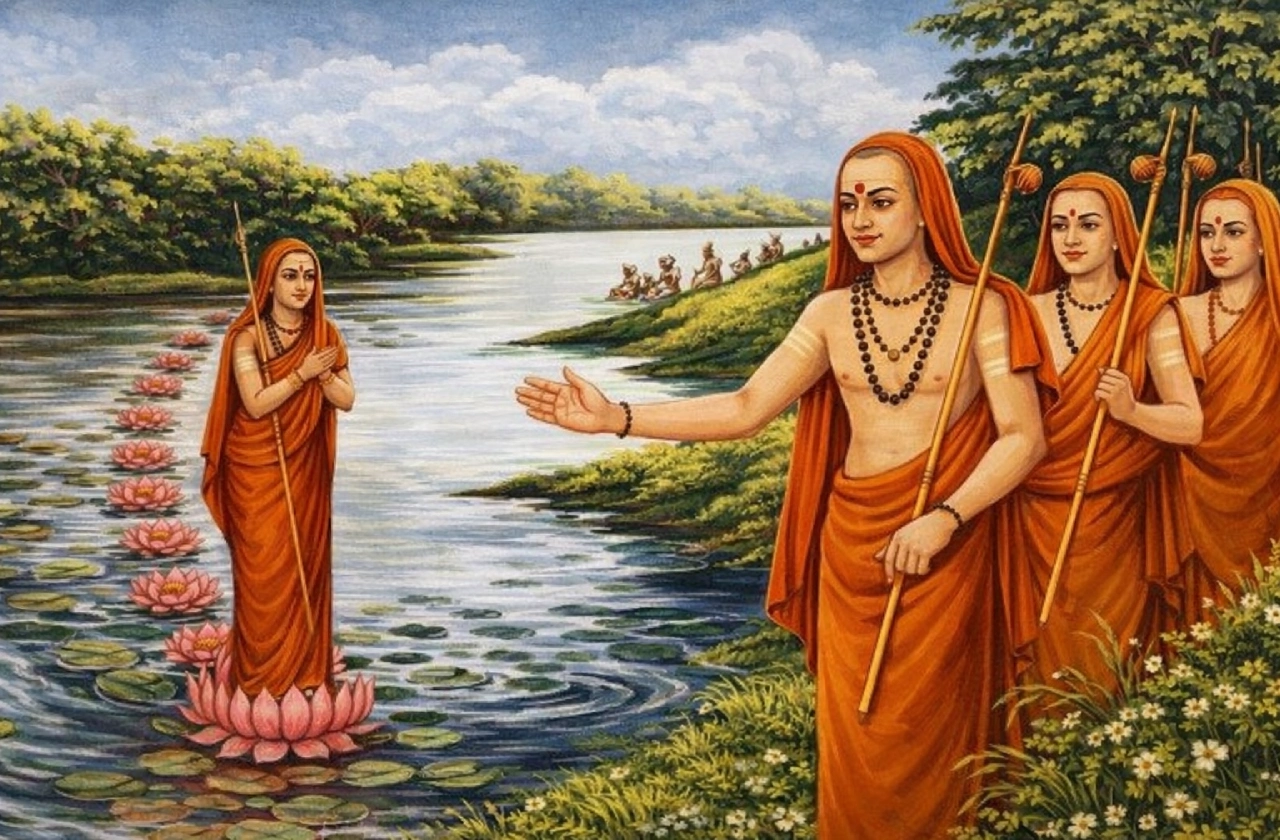
Totakacharya
First Shankaracharya of Jyotirmath
One of the four principal disciples of Adi Shankaracharya, placed as the first head of the northern Peeth. His devotion laid the foundation of the parampara that continues today.
Classical Era
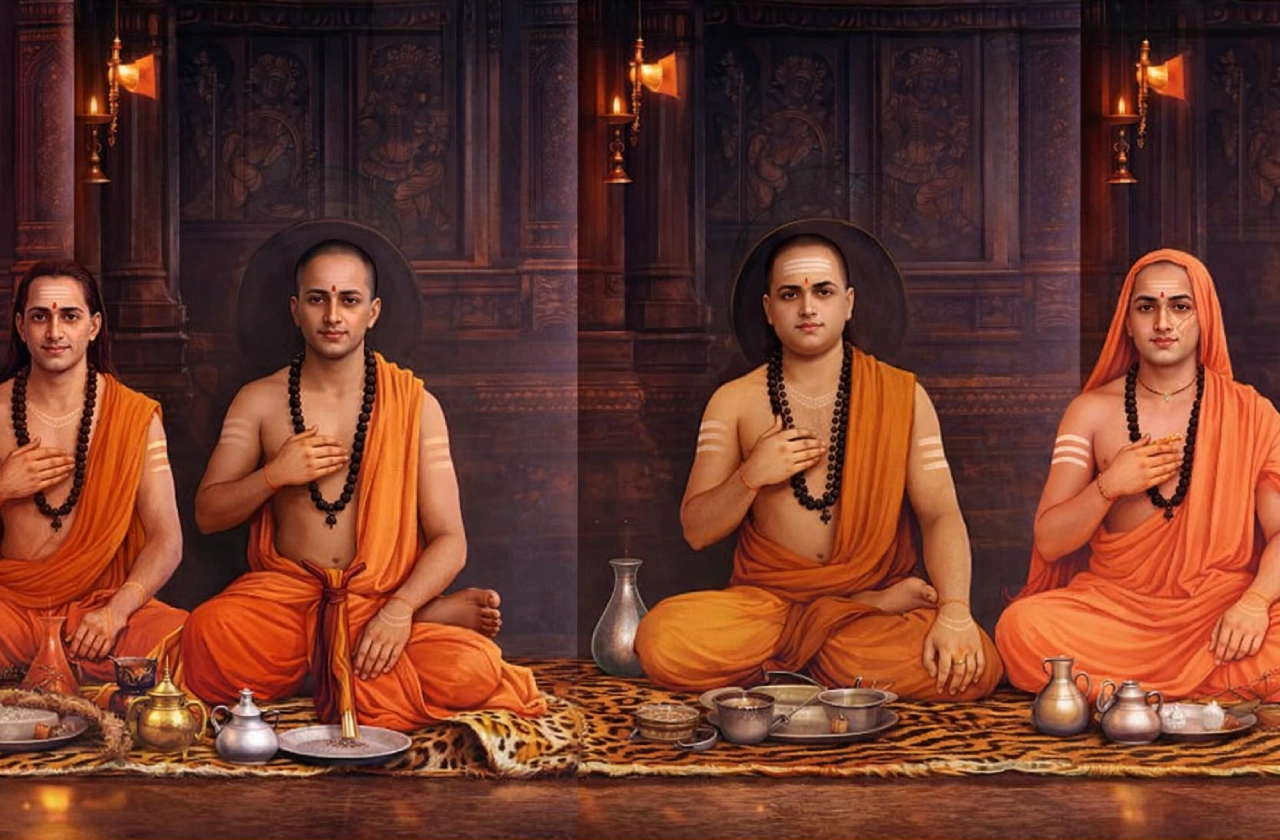
Traditional Parampara Acharyas
Unbroken chain of Jyotirmath Shankaracharyas
Through the medieval centuries the parampara continued transmitting Advaita Vedanta and Atharva Veda wisdom, the chain unbroken in the monastic tradition.
1868 – 1953
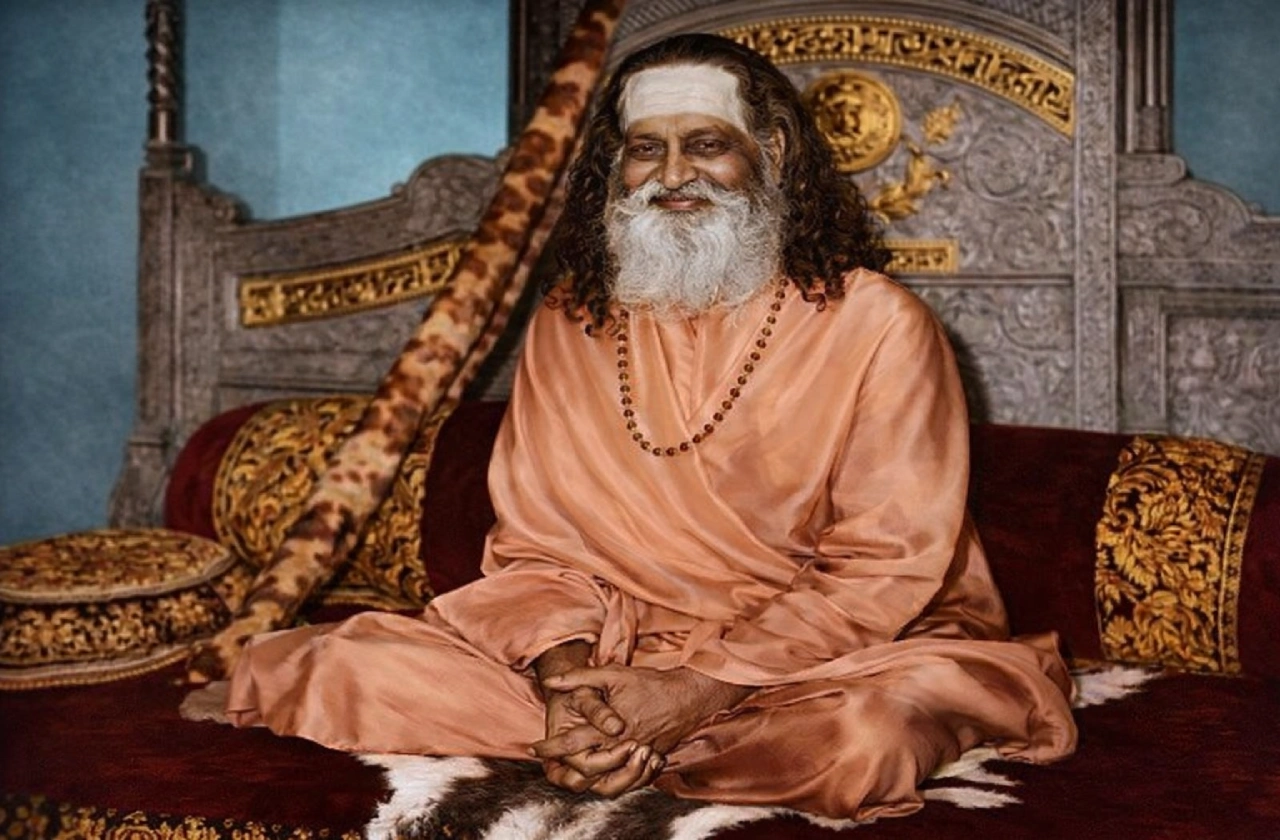
Swami Brahmananda Saraswati
Reviver of Jyotirmath (1941–1953)
After the seat lay vacant for 165 years, this realized jivanmukta accepted the Shankaracharya seat in 1941 at age 70, restoring Jyotirmath's spiritual prominence.
Modern Era
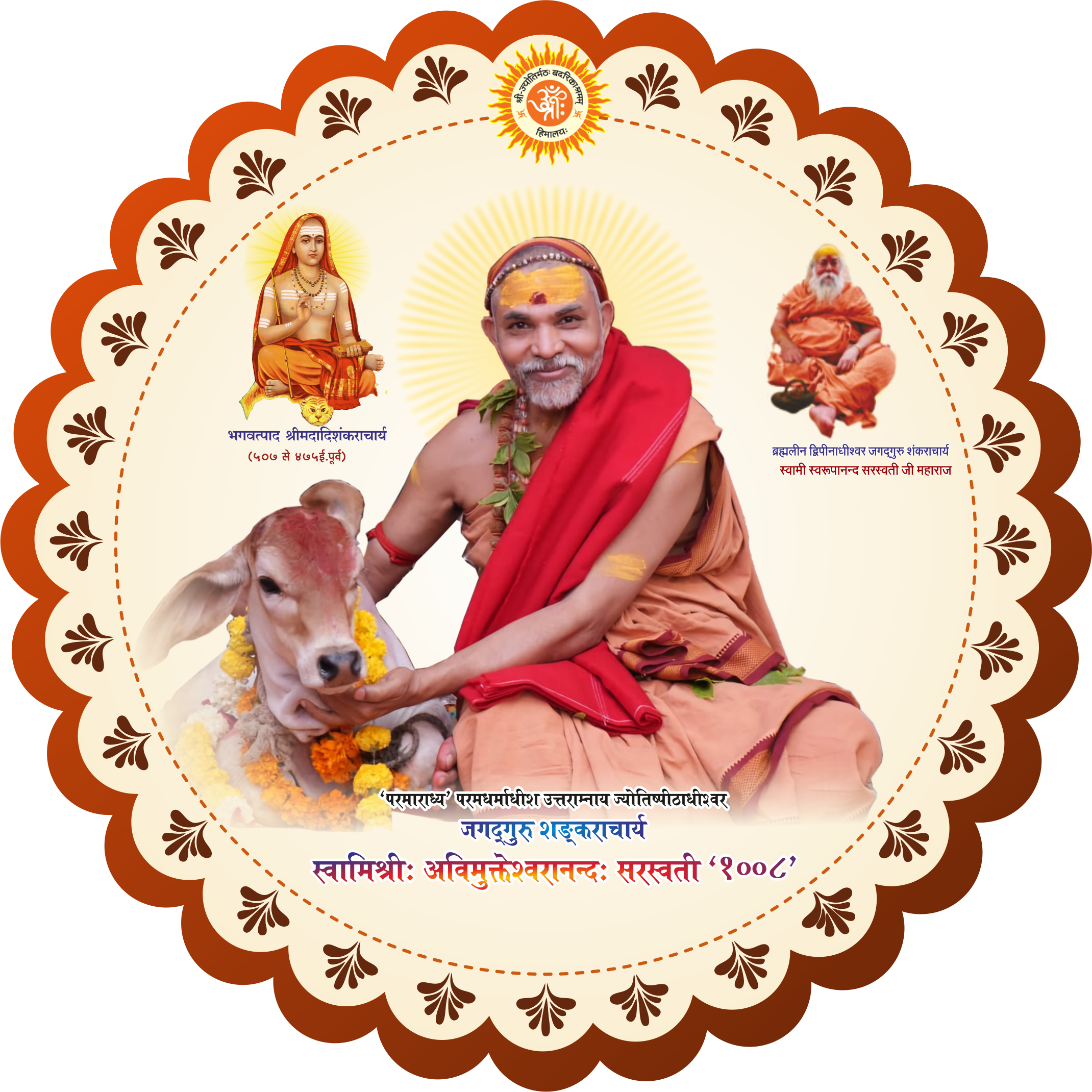
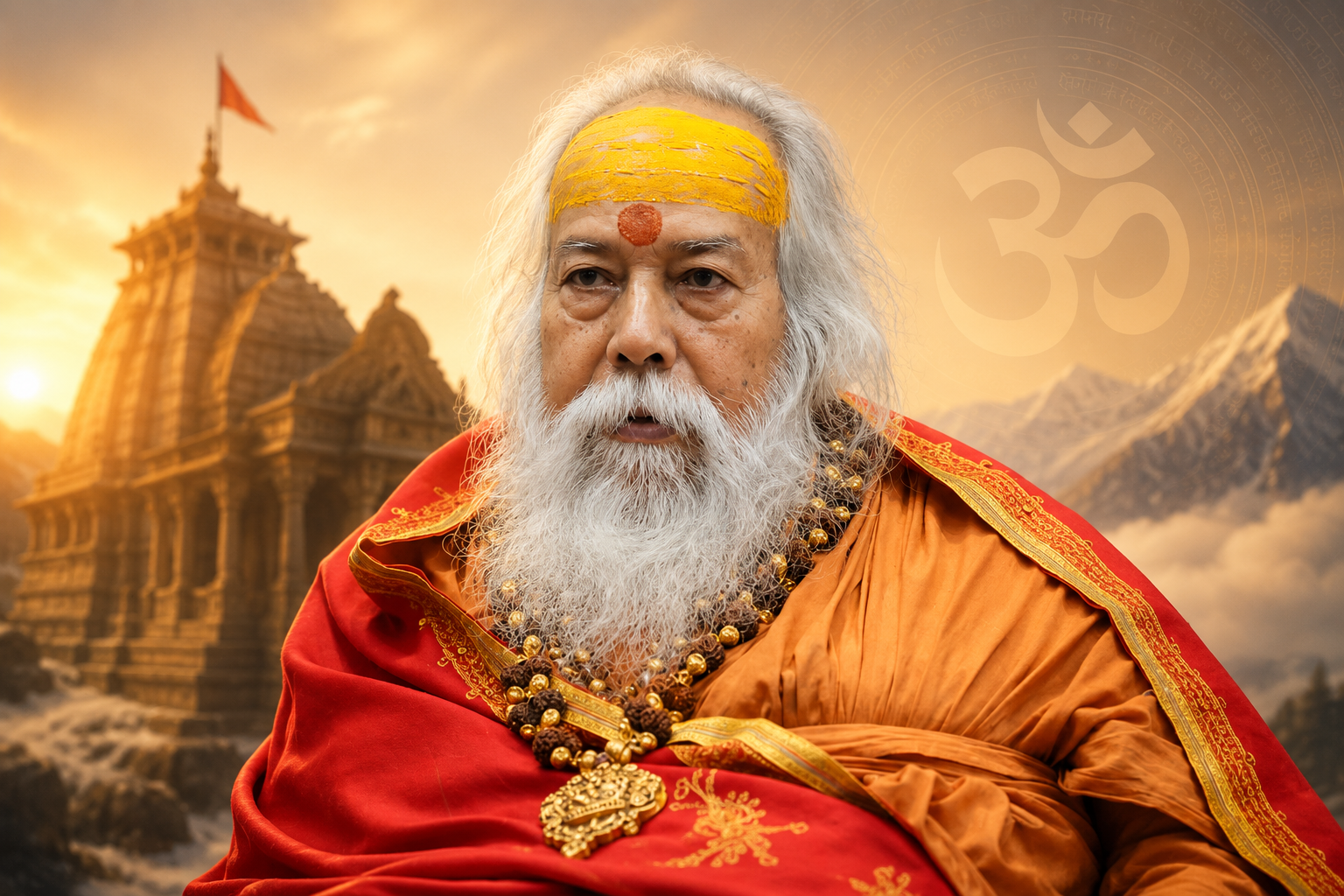
Swami Shri Swaroopanand Saraswati Ji Maharaj
Former Jagadguru Shankaracharya of Jyotirmath & Dwarka Sharada Peeth
A revered torchbearer of Sanatan Dharma, dedicated to the protection of Dharma and the guidance of millions of devotees.
Present Era
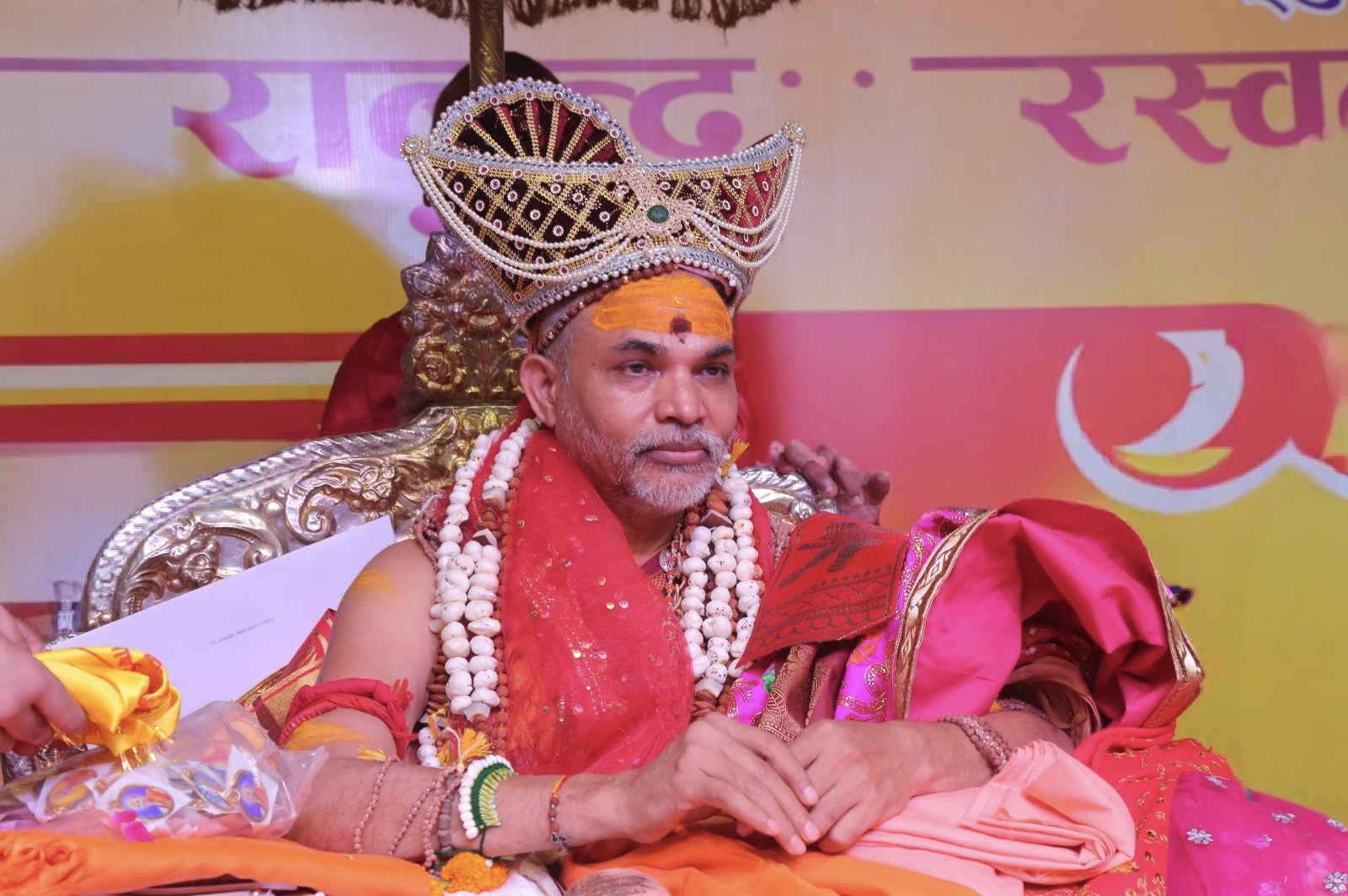
Guruji — Jagadguru Shankaracharya
Present bearer of the Parampara
Walking in the sacred footsteps of Adi Shankaracharya and all the great Acharyas before, our revered Guruji continues the mission — guiding devotees, giving Diksha, preserving Dharma and spreading the light of Advaita Vedanta across Bharat and the world.
5th Century CE
Adi Shankaracharya
Founder of Jyotirmath & Amnaya Peethas
Born in Kaladi, Kerala, Adi Shankaracharya systematized Advaita Vedanta, toured all of Bharat and established the four Amnaya Peethas. He assigned Jyotirmath to his disciple Totakacharya in the north.
5th Century CE
Totakacharya
First Shankaracharya of Jyotirmath
One of the four principal disciples of Adi Shankaracharya, placed as the first head of the northern Peeth. His devotion laid the foundation of the parampara that continues today.
Classical Era
Traditional Parampara Acharyas
Unbroken chain of Jyotirmath Shankaracharyas
Through the medieval centuries the parampara continued transmitting Advaita Vedanta and Atharva Veda wisdom, the chain unbroken in the monastic tradition.
1868 – 1953
Swami Brahmananda Saraswati
Reviver of Jyotirmath (1941–1953)
After the seat lay vacant for 165 years, this realized jivanmukta accepted the Shankaracharya seat in 1941 at age 70, restoring Jyotirmath's spiritual prominence.
Modern Era
Swami Shri Swaroopanand Saraswati Ji Maharaj
Former Jagadguru Shankaracharya of Jyotirmath & Dwarka Sharada Peeth
A revered torchbearer of Sanatan Dharma, dedicated to the protection of Dharma and the guidance of millions of devotees.
Present Era
Guruji — Jagadguru Shankaracharya
Present bearer of the Parampara
Walking in the sacred footsteps of Adi Shankaracharya and all the great Acharyas before, our revered Guruji continues the mission — guiding devotees, giving Diksha, preserving Dharma and spreading the light of Advaita Vedanta across Bharat and the world.
Divya Darshan
Glimpses of the Sacred Lineage
Adi Shankaracharya
5th Century CE
Totakacharya
5th Century CE
Swami Brahmananda Saraswati
1941 – 1953
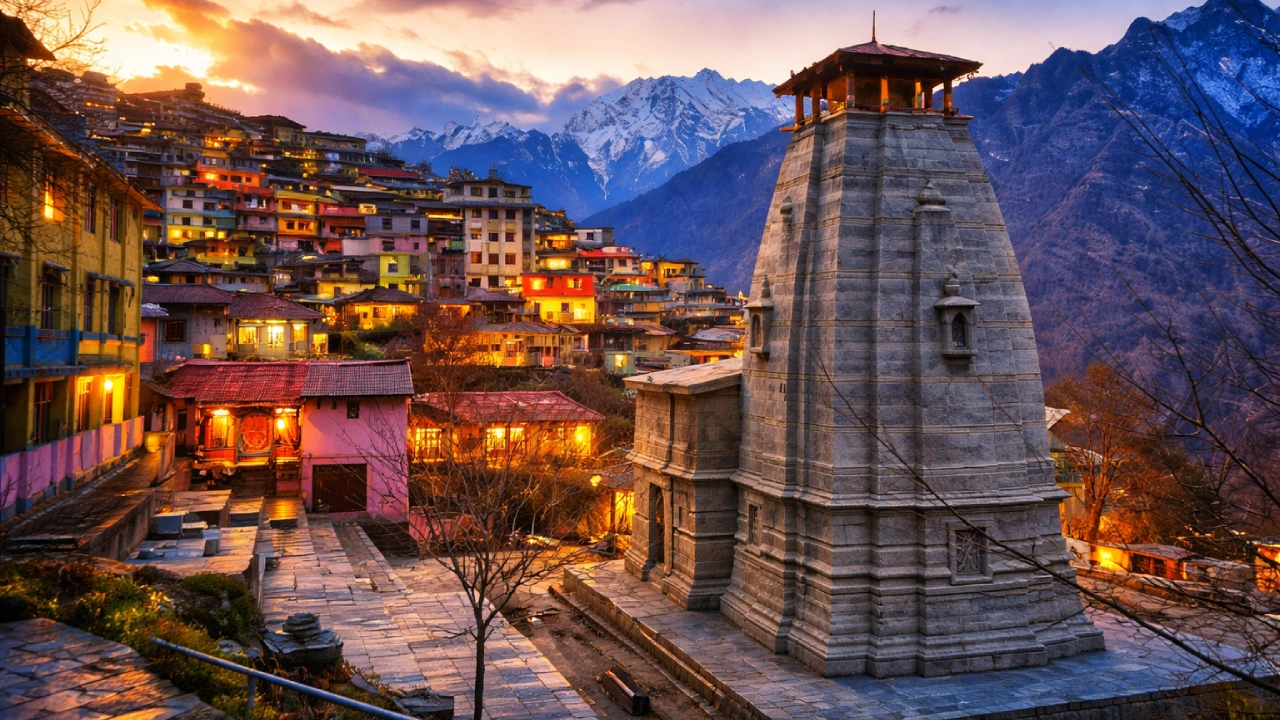
Jyotirmath — Joshimath
Uttarakhand, Himalayas
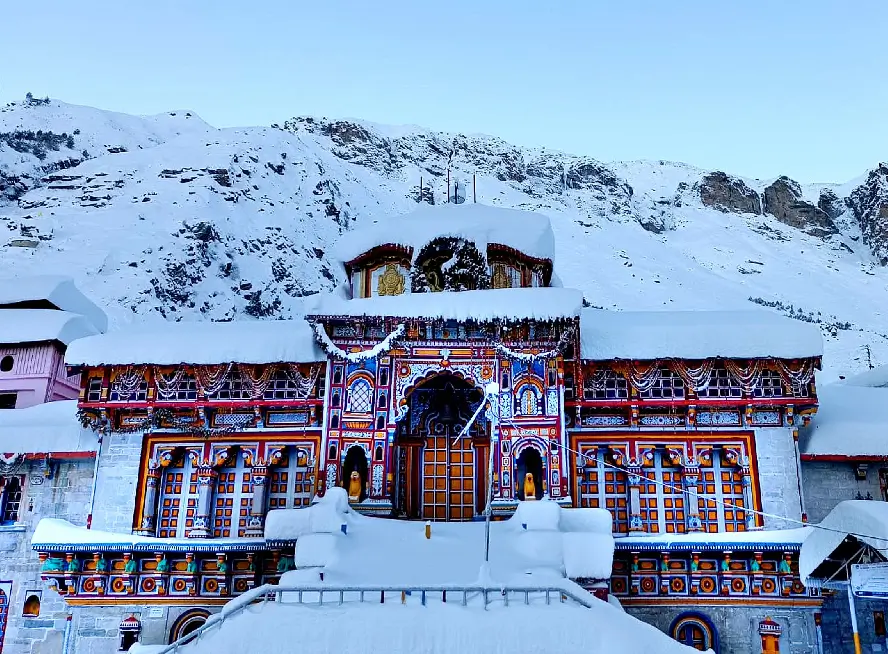
Badarikashram
Uttarakhand
Guruji
Living Parampara
Seek the Blessings of Guruji
Join the family of Dixit devotees and walk the path of Sanatan Dharma under the divine guidance of Jagadguru Shankaracharya.
Why Jyotishpeeth
Why Jyotishpeeth Stands Above All
Himalayan Sacred Seat
The only classical Shankaracharya Peeth in the Himalayas, guarding the route to Badrinath and all northern tirthas.
Guardian of Atharva Veda
Entrusted with the Atharva Veda — the Veda of protection, healing and social harmony.
Ayam Atma Brahma
The deepest of all Mahavakyas — pointing directly to the highest Advaitic truth.
Northern Dharmic Authority
As the Uttaramnaya Peeth, Jyotishpeeth holds spiritual authority over the entire northern region of Bharat.
Unbroken Parampara
An unbroken chain of realized masters from Adi Shankaracharya to the present.
Living Tradition of Diksha
Guruji personally bestows Diksha, initiating devotees into the same ancient parampara.
Frequently Asked